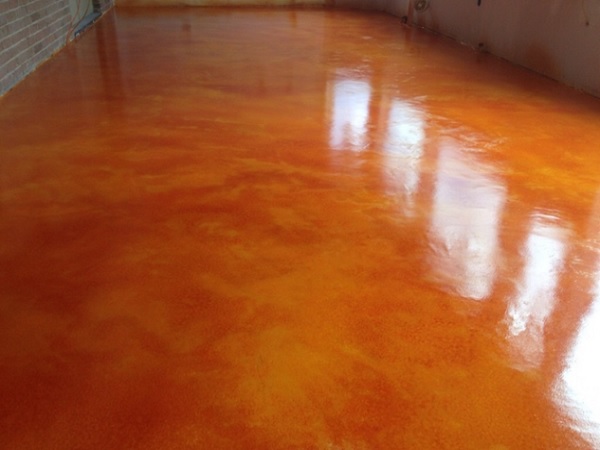
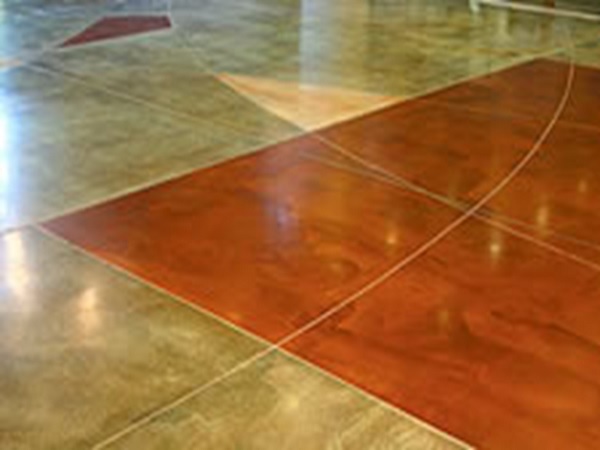
COLORED CONCRETE
Colored
concrete is a type of concrete that has been tinted or dyed to
achieve a wide range of colors and aesthetic effects. It is
commonly used in a variety of construction and design
applications to add visual interest and style to surfaces, such
as floors, driveways, sidewalks, patios, and architectural
elements. Here are some key points about colored
concrete:
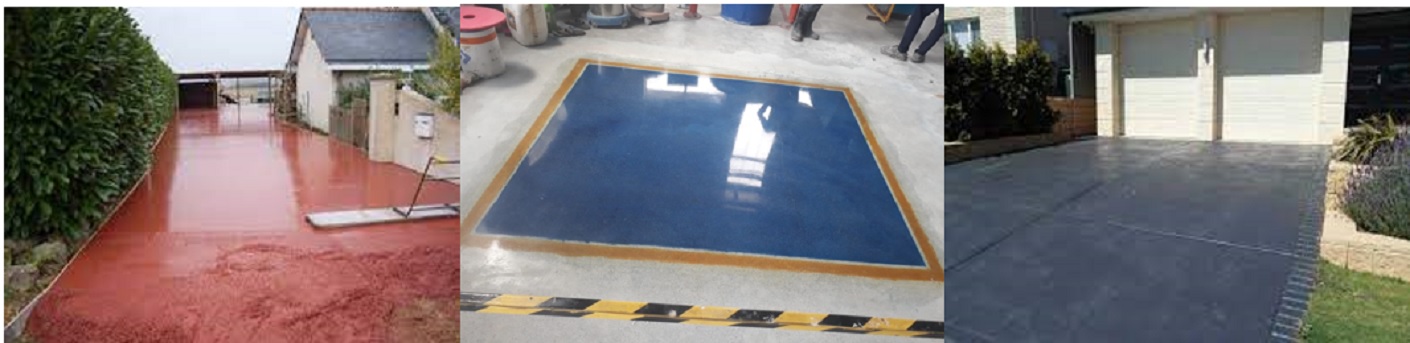
1.Pigments
and Dyes:
Colored concrete is achieved by adding pigments or dyes to the
concrete mix during the mixing and pouring process. These color
additives can be either integral (mixed throughout the concrete)
or surface-applied (applied to the surface after the concrete
has been poured).
2.Integral
Color:
Integral color is added directly to the concrete mix. It
provides a consistent color throughout the entire concrete
structure. Integral color is often used for decorative concrete
projects where a specific, uniform color is desired.
3.Surface-Applied
Color:
Surface-applied color is typically applied to the top of the
concrete after it has been poured and leveled. This method
allows for a broader range of color options and design
possibilities. Common techniques for surface-applied color
include staining, painting, and the use of colored concrete
overlays.
4.Color
Options:
Colored concrete is available in a wide array of colors, ranging
from earthy and natural tones to bold and vibrant shades. Custom
color blends can be created to match specific design
requirements.
5.Decorative
Effects:
Colored concrete can be used to create various decorative
effects, including patterns, textures, and designs. Stamping,
scoring, and stenciling are common techniques used to add
texture and patterns to colored concrete surfaces.
6.Sealing
and Protection:
After coloring concrete, it is essential to seal the surface to
protect the color and enhance its longevity. Sealers can also
provide a glossy or matte finish to the concrete, depending on
the desired look.
7.Applications:
Colored concrete is used in a wide range of applications,
including:
1.Interior
Flooring:
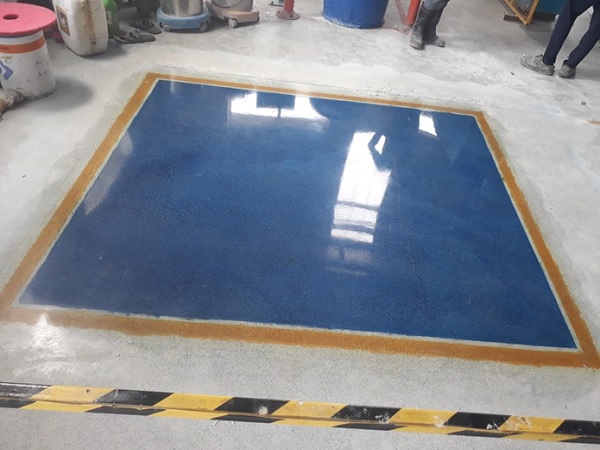
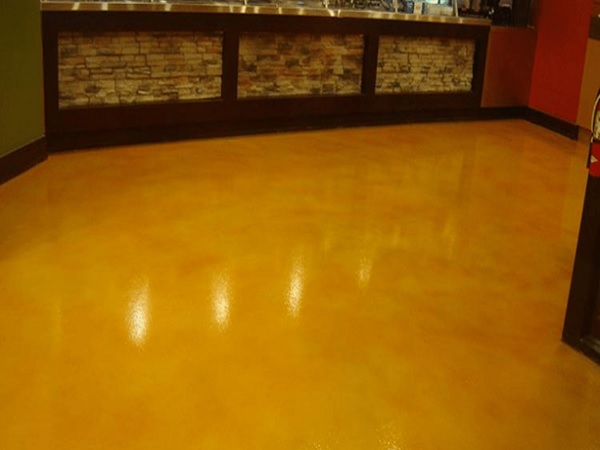
Often used in homes, commercial spaces, and retail locations to
add color and style to concrete floors.
2.Exterior
Surfaces:
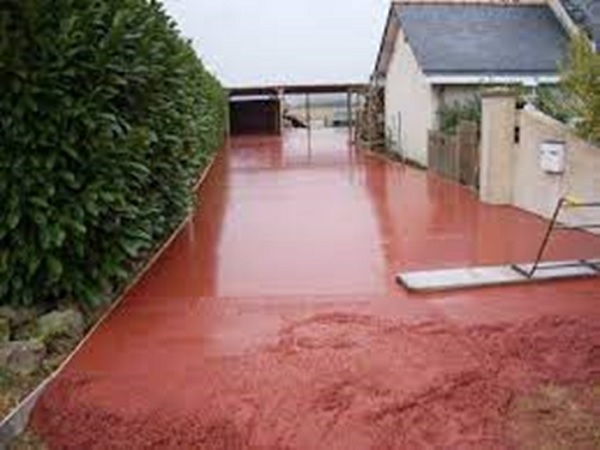
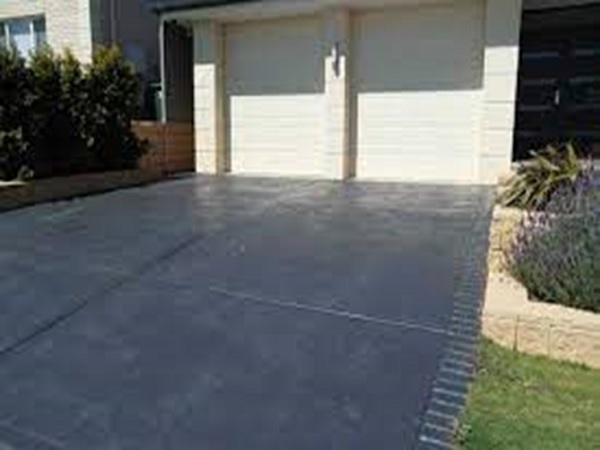
Driveways, sidewalks, patios, and courtyards can benefit from
colored concrete to enhance curb appeal.
3.Pool
Decks:
Colored concrete is a popular choice for pool deck surfaces,
providing slip resistance and aesthetics.
4.Architectural
Elements:
Colored concrete can be used to create colorful accents and
features in architectural designs.
Advantages
Colored
concrete offers several advantages, making it a popular choice
for a wide range of construction and design applications. Here
are some of the key advantages of using colored concrete:
1.Aesthetic
Enhancement:
Colored concrete allows for a broad spectrum of colors and
shades, providing the opportunity to enhance the visual appeal
of surfaces. It can be used to complement existing design
elements, create a cohesive color scheme, or add vibrant accents
to a space.
2.Design
Versatility:
Colored concrete offers tremendous design flexibility. It can be
used to create various decorative effects, including patterns,
textures, and designs. Techniques like stamping, staining,
scoring, and stenciling can be employed to achieve a wide range
of looks.
3.Customization:
Custom color blends can be created to match specific design
requirements. This level of customization is particularly
valuable for projects where a unique and personalized appearance
is desired.
4.Durability:
Colored concrete is as durable as regular concrete. It can
withstand heavy foot traffic, vehicular traffic, and exposure to
the elements, making it suitable for both indoor and outdoor
applications.
5.Cost-Effective:
Colored concrete can be a cost-effective alternative to other
decorative finishes like natural stone or pavers. It offers
similar aesthetics at a more affordable price point.
6.Color
Uniformity:
Integral coloring ensures that the color is consistent
throughout the entire concrete structure. This uniformity is
especially useful for large concrete surfaces, such as driveways
and walkways.
7.Enhanced
Curb Appeal:
Colored concrete can significantly improve the curb appeal of
properties. It is often used for exterior surfaces, such as
driveways, sidewalks, patios, and pool decks, to create inviting
and visually pleasing spaces.
8.Low
Maintenance:
Colored concrete typically requires minimal maintenance. Regular
cleaning and occasional resealing are usually sufficient to keep
the surface looking its best.
9.UV
Resistance:
Many colored concrete pigments and dyes are UV-resistant, which
means they are less likely to fade or discolor when exposed to
sunlight.
10.Environmentally
Friendly:
Colored concrete is an environmentally friendly option. It is
made from readily available materials and doesn't require
additional resources or energy-intensive processes for its
production.
11.Quick
Installation:
The installation of colored concrete is often faster than some
alternative decorative finishes. This can save both time and
labor costs in construction projects.
12.Versatile
Applications:
Colored concrete is suitable for various applications, including
interior and exterior flooring, pool decks, patios, driveways,
walkways, and architectural elements. Its versatility makes it a
practical choice for a range of projects.
13.Longevity:
When properly installed and maintained, colored concrete can
have a long lifespan, ensuring that the investment in the
aesthetic enhancement of a space remains intact for years to
come.
Overall,
the advantages of colored concrete make it a versatile and
popular choice for enhancing the appearance of both residential
and commercial spaces. It offers the benefits of aesthetics,
customization, durability, and cost-effectiveness, making it a
valuable option for a variety of design and construction
needs.